Source anti pilling filament dental brush for Polishing, Orthodontics, Preventive Care
Find 30 verified listings for the anti pilling filament dental brush suitable for polishing, orthodontic applications, and preventive dental care. Buyers can compare specifications, certifications, and pricing to select the right specialized instrument equipment for their needs.
Key considerations
Products List




Comprehensive Sourcing Guide
Strategic Sourcing Guide for Anti-Pilling Filament Dental Brushes
The global dental supply chain continues to evolve with a specific focus on materials that maintain structural integrity and surface finish over repeated use. For procurement professionals investigating the core keyword "anti-pilling filament dental brush," the objective is to identify products that resist fiber shedding, ensure consistent polishing performance, and meet rigorous hygiene standards. This guide synthesizes available market data and technical observations to provide a disciplined framework for sourcing these specialized instruments. Buyers must navigate a landscape where product attributes vary significantly between manufacturers, requiring a verification process that prioritizes observed facts over marketing assertions.
Technical Specifications and Material Composition
The foundational requirement for any dental brush intended for professional use is the selection of bristle materials that offer durability and resistance to degradation. In the context of anti-pilling technology, the material composition is the primary differentiator. Observed market data indicates that high-performance brushes frequently utilize American DuPont bristles. This specific material source is often associated with superior tensile strength and resistance to the mechanical stress of polishing, which directly correlates to the "anti-pilling" characteristic. The bristle material must be engineered to prevent the fraying or shedding of fibers that can compromise the cleanliness of the dental field.
Furthermore, the construction of the brush head is critical. While some observations list Nylon as a standard brush head material, the specific application of anti-pilling filaments suggests a need for a denser weave or a specific polymer blend that maintains its shape. The handle material also plays a role in the overall ergonomics and control during procedures. Current listings show a prevalence of PP+TPE (Polypropylene + Thermoplastic Elastomer) handles, which provide a non-slip grip and chemical resistance. In contrast, other segments of the market utilize metal handles, which may offer different thermal properties or durability profiles depending on the sterilization method employed.
The physical dimensions of the brush are equally important for clinical efficacy. Specifications vary widely, with some products adhering to standard sizes such as 22~28mm or 3cm, while others are defined by specific model numbers like KD-IA029, FD220, or PB01. Buyers must verify that the brush dimensions align with the specific anatomical requirements of the intended procedure, whether for general polishing or specialized orthodontic work. The shape of the brush head is predominantly round, a design choice that facilitates access to various tooth surfaces and interproximal spaces.
Compliance and Certification Verification
In the dental industry, compliance is not merely a regulatory formality but a critical safety requirement. Procurement teams must rigorously verify that any supplier claims adherence to recognized international standards. The supplied data confirms that products in this category often carry certifications such as CE, ISO, and FDA. These certifications indicate that the manufacturing process and the final product have undergone specific testing for safety and quality.
Specifically, the FDA and EN71 standards are frequently cited in product specifications. The EN71 standard, often associated with safety of toys but applied here to medical devices, suggests a focus on material safety and the absence of harmful substances. The CE marking indicates conformity with health, safety, and environmental protection standards for products sold within the European Economic Area. It is imperative for buyers to request current, valid certificates for each batch of products purchased, rather than relying on general statements about certification availability.
Additionally, the nature of the product as "Specialized Instrument Equipment" and its usage in the "Dental Department" necessitates strict adherence to medical device regulations. The "Industrial" grade classification observed in some listings may imply a different regulatory pathway compared to "Medical" grade, and buyers must clarify this distinction to ensure the product is approved for clinical use. The absence of wax on the bristles is another specific attribute that can be verified as a standard feature, ensuring that the polishing process is not compromised by foreign residues.
Cost Drivers and Pricing Dynamics
Understanding the cost structure of anti-pilling filament dental brushes is essential for effective budget management. The observed price range in the market spans from $0.04 to $12.00 USD. This wide variance is driven by several factors, including the complexity of the bristle technology, the quality of the handle material, and the volume of the order. Products utilizing American DuPont bristles and featuring advanced anti-pilling treatments will naturally command a higher price point within this range compared to standard nylon alternatives.
The Minimum Order Quantity (MOQ) is another significant cost driver. Market data shows an MOQ range from 1 unit to 30,000 units. For smaller clinics or testing phases, suppliers offering low MOQs are available, though the unit cost may be higher. Conversely, large-scale procurement can leverage economies of scale, with some suppliers requiring an MOQ of 5,000 boxes to access lower price tiers. The packing configuration also influences cost; for instance, a packing of 100 pieces per box with 100 boxes per carton affects the logistics and handling costs compared to single-item packaging.
Buyers should also consider the "Customized Color" and "OEM Service Provided" options as potential cost variables. Customization allows for branding but often incurs additional setup fees and higher MOQs. The "Eco-Friendly" feature, while a selling point, may involve specific material sourcing that impacts the final price. It is crucial to request detailed quotations that break down the base unit cost, customization fees, and shipping expenses to avoid hidden costs.
Typical Applications and Clinical Utility
The versatility of anti-pilling filament dental brushes makes them suitable for a diverse range of dental applications. The primary usage identified is "Polishing Material," which is essential for removing plaque and stains from tooth surfaces. However, the scope extends beyond simple polishing. These brushes are also utilized in "Denture Processing," "Bonding Material" application, and "Dental Preventive Health Care Materials." This broad applicability suggests that the anti-pilling filament technology is robust enough to handle various chemical and mechanical stresses encountered in different dental procedures.
Specific applications include "Orthodontic Material" placement and "Embedded Material" work, where precision and cleanliness are paramount. The "Non-Disposable" nature of some listed products indicates that they are designed for repeated sterilization and use, making them a cost-effective choice for high-volume practices. The "Adults" age group specification confirms that these instruments are designed for mature patients, though the techniques may vary for pediatric cases.
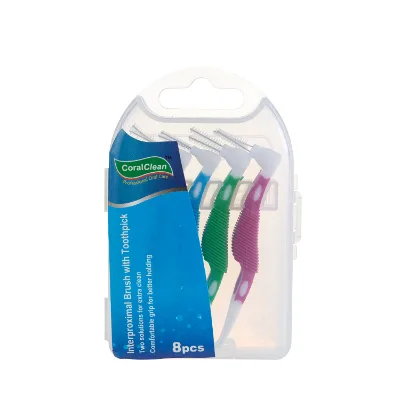
The "Interdental brush" category represents a significant segment of the market, where the anti-pilling feature is particularly valuable for cleaning between teeth without leaving debris. The "Banding Dental Floss" type also highlights the integration of these brushes into broader oral hygiene systems. Buyers should evaluate the specific "Applicable Departments" to ensure the product matches their clinic's workflow, whether it is a general practice, a specialized orthodontic clinic, or a dental laboratory.
Supplier Evaluation and Selection Criteria
Selecting the right supplier requires a multi-faceted approach that goes beyond price comparison. The "Place of Origin" is a key factor, with "China" and specific regions like "Anqing" and "Jiangsu" being prominent sources. While these regions have established manufacturing capabilities, buyers must verify the specific factory's quality control systems. The availability of "Samples" is a critical evaluation tool; many suppliers offer free samples or available sample units, allowing buyers to physically inspect the bristle quality, handle ergonomics, and packaging integrity before committing to a large order.
The "Delivery" lead time, observed as 3-10 days in some contexts, is another metric for supplier reliability. However, this can vary significantly based on the order size and customization requirements. Suppliers that provide "OEM Service" demonstrate flexibility and the ability to tailor products to specific brand requirements. Buyers should assess the supplier's responsiveness to inquiries, their transparency regarding material sourcing, and their track record for meeting delivery deadlines.
A comparison of key supplier attributes can help in the decision-making process:
| Attribute | Supplier A (Hypothetical) | Supplier B (Hypothetical) | Supplier C (Hypothetical) |
|---|---|---|---|
| Bristle Material | American DuPont | Nylon | American DuPont |
| Certifications | CE, ISO, FDA | CE | FDA, EN71 |
| MOQ | 5000 Box | 1 Unit | 30000 Units |
| Lead Time | 3-10 Days | 10-15 Days | 3-10 Days |
| Customization | Available | Available | Limited |
| Origin | Jiangsu, China | Anqing, China | China |
This table illustrates the variability in supplier offerings. A buyer prioritizing low MOQ might choose Supplier B, while one needing high-volume consistency and specific certifications might prefer Supplier A or C.
Quality Control and Long-Term Procurement Considerations
Ensuring consistent quality is the ultimate goal of any procurement strategy. The "Anti-Pilling" claim must be validated through rigorous testing. Buyers should request test results or data demonstrating the brush's resistance to fiber shedding under simulated clinical conditions. The "Standard" of 100PC/box and 100box/CTN suggests a standardized packing process, but the internal quality of each brush within the box must be verified.
Long-term procurement considerations involve the stability of the supply chain. The "Customization" and "OEM" capabilities of a supplier ensure that the product can evolve with the buyer's brand needs. However, reliance on a single supplier for critical components like American DuPont bristles can pose a risk if supply chain disruptions occur. Diversifying the supplier base or establishing a long-term contract with a verified manufacturer can mitigate this risk.
The "Eco-Friendly" feature, while not a primary performance metric, is increasingly important for modern dental practices aiming to reduce their environmental footprint. Buyers should inquire about the recyclability of the packaging and the sustainability of the materials used. Finally, the "Nature" of the product as "Specialized Instrument Equipment" implies that it requires specific handling and storage conditions to maintain its efficacy over time. Proper inventory management and adherence to expiration dates, if applicable, are essential for maintaining the quality of the dental supplies.
In conclusion, sourcing anti-pilling filament dental brushes requires a balanced approach that weighs technical specifications, compliance, cost, and supplier reliability. By focusing on verified attributes such as American DuPont bristles, FDA and CE certifications, and clear MOQ structures, buyers can make informed decisions that ensure the highest quality of care for their patients. The market offers a wide range of options, but success lies in the diligence of the verification process and the strategic selection of partners who align with the buyer's specific operational needs.
FAQs
What bristle material is used for anti-pilling filament dental brushes?
High-performance brushes frequently utilize American DuPont bristles for superior tensile strength. This material resists mechanical stress and prevents fiber shedding during polishing procedures to ensure a clean dental field.
Which certifications do these specialized dental instruments typically carry?
Products in this category often carry CE, ISO, and FDA certifications to verify safety and quality. Some listings also reference EN71 standards, indicating adherence to specific material safety requirements for medical devices.
How are the dimensions of these brushes specified for clinical use?
Specifications vary widely, with some products adhering to standard sizes like 22 to 28mm or 3cm. Other items are defined by specific model numbers such as KD-IA029 or PB01 to align with anatomical requirements.
Can buyers obtain samples before committing to a large order?
Many suppliers offer free samples or available sample units for physical inspection. This allows buyers to verify bristle quality and handle ergonomics before placing bulk orders with specific minimum order quantities.
What is the typical price range for these dental polishing instruments?
The observed price range in the market spans from 0.04 to 12.00 USD per unit. This variance is driven by bristle technology, handle material quality, and the volume of the order placed.
Where are these dental brushes primarily manufactured?
Products originate from China, with specific regions like Anqing and Jiangsu being prominent sources. Buyers should verify the specific factory's quality control systems when selecting from these established manufacturing locations.